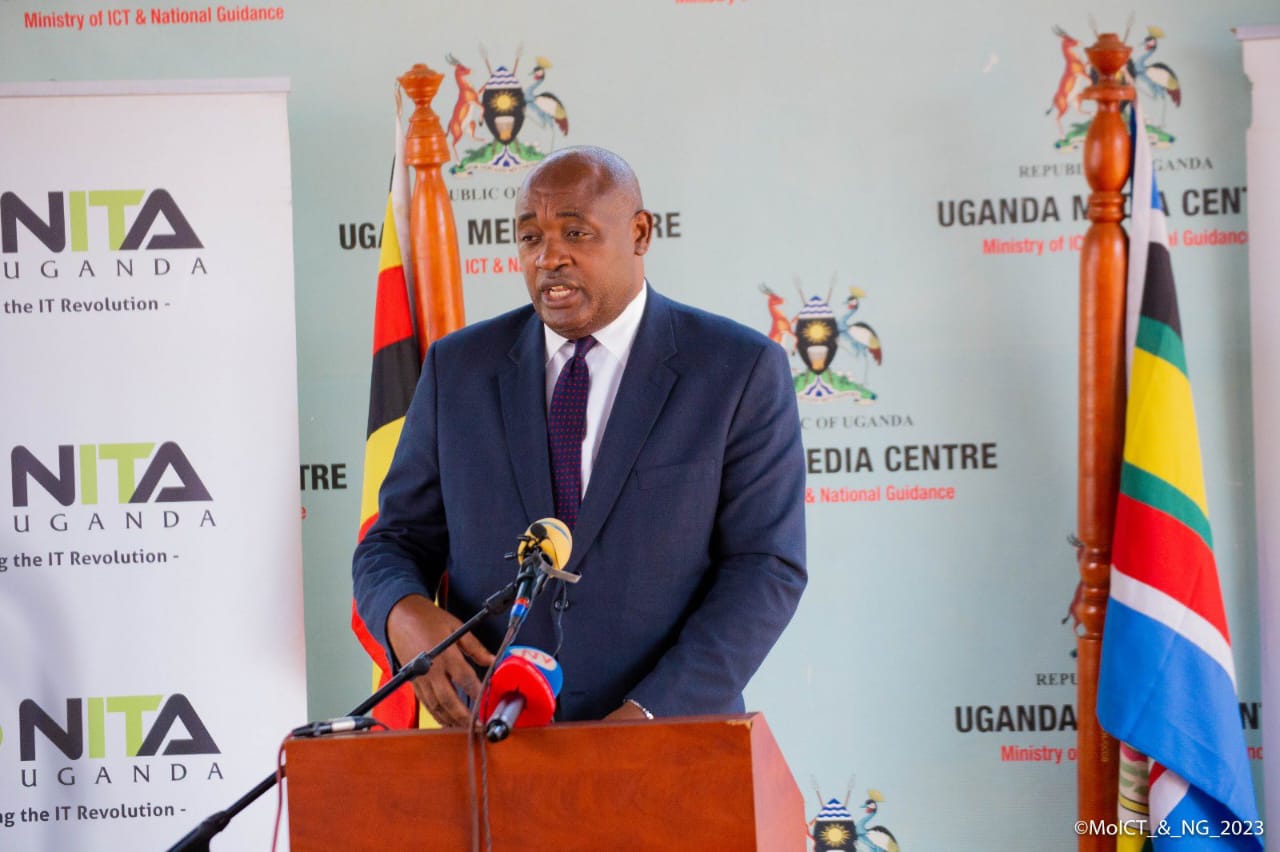
Recent comments by Minister of ICT and National Guidance, Dr. Chris Baryomunsi, regarding the health of detained opposition figure Dr. Kizza Besigye have sparked widespread concern, with critics accusing the minister of downplaying a serious medical matter and publicly exposing sensitive health information.
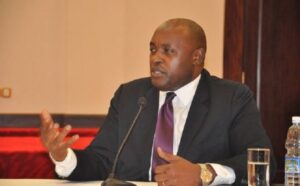
In seeking to reassure the public, Dr. Baryomunsi stated that Besigye’s condition was minor and under control, citing information allegedly obtained from prison medical reports. However, these remarks have drawn criticism from legal experts, human rights advocates, and opposition figures who argue that the minister’s approach was dismissive, premature, and lacking independent verification.
Health status, critics argue, is a private and sensitive matter, especially for a detainee whose access to independent medical assessment remains contested. By publicly characterizing Besigye’s condition without consent from family or confirmation by neutral medical professionals, the minister is accused of overstepping ethical boundaries and potentially compromising trust in state institutions.
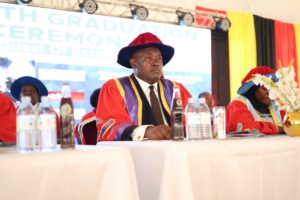
Besigye’s family, particularly his wife Winnie Byanyima, has rejected the government’s assurances, maintaining that his health has significantly deteriorated and that authorities are understating the seriousness of his condition. Opposition groups say this contradiction alone should have prompted restraint and transparency rather than definitive public statements.
The controversy has also reignited debate on the treatment of political detainees and whether government officials should act as medical spokespersons for prisoners. Analysts warn that minimizing health concerns-real or perceived-can deepen public skepticism and inflame political tensions, especially in a post-election period when national unity and confidence in governance are critical.

While government has a duty to inform the public, critics insist that such communication must be measured, respectful, and grounded in independently verifiable facts. In Besigye’s case, they argue, a more responsible response would have been to facilitate independent medical access and allow professional assessments to speak for themselves.
As scrutiny intensifies, the handling of Besigye’s health has become more than a medical issue-it is now a test of accountability, human dignity, and the credibility of official communication in Uganda’s evolving democratic landscape.